
Itanagar, November 22: Union Home Minister Amit Shah has assured residents of Arunachal Pradesh’s Siang Valley that their concerns over the proposed 11,200-MW Siang Upper Multipurpose Project (SUMP) will be addressed through dialogue. He also said that the region’s culture, traditions and religious beliefs would not be compromised while taking the project forward.
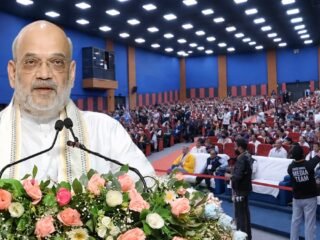
Addressing law enforcement personnel at the Police Training Centre (PTC) in Banderdewa, near Itanagar, on Saturday, Shah said he was aware of the apprehensions among people in the Siang region and had come to the state to address their concerns directly.
“I want to assure my brothers and sisters from Siang that we will find a way forward through positive dialogue… You need not worry about it,” he said.
The Home Minister acknowledged that several concerns raised by residents were significant and said the government would take them seriously.
Siang Upper Multipurpose Project Is of National Importance: Shah
Describing the Siang Upper Multipurpose Project as a project of national importance, Shah said it was crucial for Arunachal Pradesh’s development, India’s energy security, revenue generation and strategic interests.
He stressed that the government would maintain a balance between the country’s development requirements and the aspirations of local communities.
Shah also said the government shared the same respect for the local culture and would ensure that the region’s traditions, religious beliefs and cultural identity were not compromised.
Attractive Rehabilitation Package Promised for Affected Families
The Union Home Minister assured that the government would offer one of the country’s most attractive rehabilitation and resettlement packages for families affected by the proposed project.
He appealed to residents and organisations opposing the project to engage in discussions with the Arunachal Pradesh government. Such discussions, he said, could help facilitate further dialogue with the Union Home Ministry.
Shah reiterated that taking local communities into confidence would be essential to finding a solution. He said constructive engagement was necessary to protect local interests while addressing the state’s development requirements and the aspirations of its youth.
Why Are Local Communities Opposing the Siang Dam Project?
The proposed mega hydropower project has faced sustained opposition from sections of the indigenous Adi community, particularly residents of Siang and Upper Siang districts.
Local residents and indigenous organisations have raised concerns about the possible impact of the project on ancestral lands, villages, livelihoods and cultural identity.
For many Adi families, the Siang River is not merely a source of livelihood. It is closely connected with their history, traditional beliefs and cultural practices.
Environmental concerns have also emerged over the proposed large-scale construction in the ecologically fragile Siang Valley, which is situated in a seismically sensitive region.
Indigenous organisations have questioned whether adequate public consultation has taken place and have demanded greater transparency in the ongoing pre-feasibility report exercise.
Protests against the project have intensified in recent months, with several groups demanding that the government reconsider the proposal and address the concerns of affected communities before proceeding further.
Siang Project and India’s Strategic Interests
The proposed project on the Siang River is also being viewed in the context of China’s plans to develop a massive hydropower project on the upper reaches of the Yarlung Tsangpo River in Tibet.
The river enters India as the Siang in Arunachal Pradesh and flows through Assam as the Brahmaputra.
The proposed Siang project is envisaged as a major source of hydroelectric power and a strategic intervention to strengthen India’s energy and water security.
It is also expected to help regulate river flows while creating opportunities for revenue generation, infrastructure development and employment in Arunachal Pradesh.
However, the project has raised questions among local communities about its environmental and social consequences.
As the Centre seeks to advance a project that it considers important for national energy and strategic interests, addressing the concerns of the indigenous population remains a major challenge.
The government’s ability to build trust through transparent consultations, meaningful dialogue and credible rehabilitation measures will be crucial to determining the way forward for the Siang Upper Multipurpose Project.
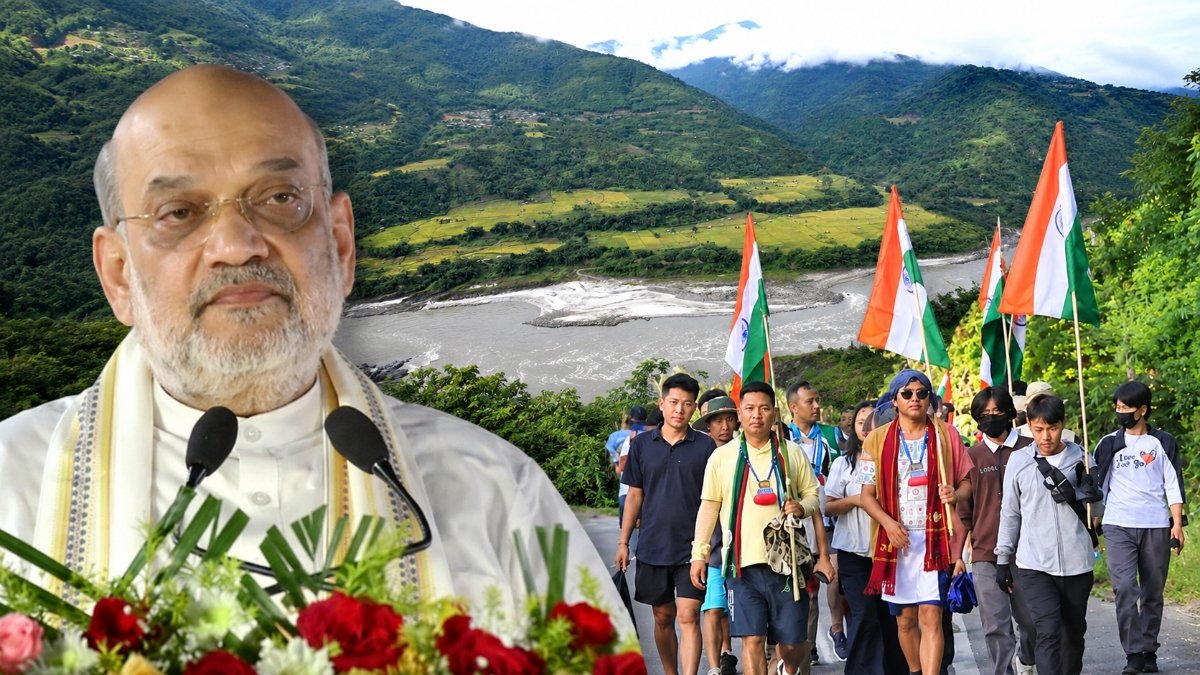
Also Read: Adi Galo Welfare Society Begins 400-Km March from Geku to Itanagar Against SUMP