
MAGO, Arunachal Pradesh, October 18, 2026: Arunachal Pradesh Chief Minister Pema Khandu has called for a comprehensive roadmap to strengthen yak conservation in India’s Himalayan region, improve the livelihoods of yak herders and expand the market for yak-based products, stressing the need for coordinated policy support from state and central governments.
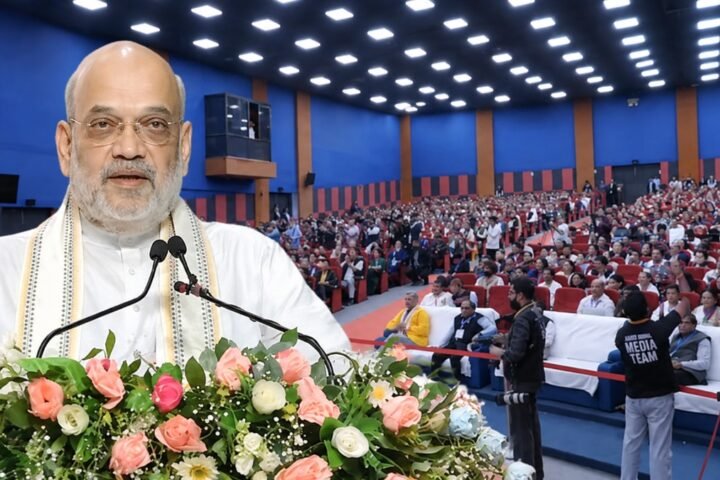
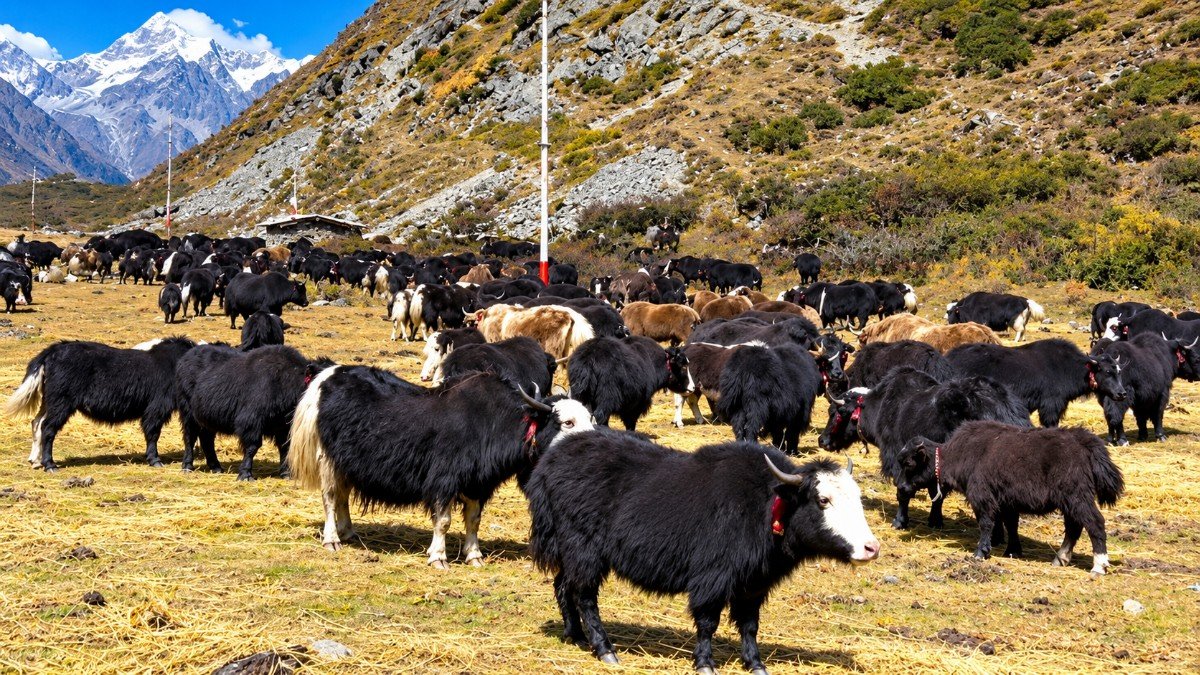
Addressing the Yak Economy Summit 2026 and Yak Mela at Mago in Tawang district on October 17, Khandu said yak rearing was not merely a livelihood but an important part of the social, cultural and strategic landscape of the Himalayan belt, extending from Jammu and Kashmir to Arunachal Pradesh.
He emphasised that traditional yak-rearing communities living in remote and strategically significant areas deserved focused policy support.
“From the perspective of national security, it is our duty to support our Brokpa community and yak herders through appropriate policy interventions,” he said.
The proposals discussed at the summit combine yak conservation, scientific animal husbandry, livelihood support and commercial development. While the broader discussion concerns yak-rearing communities across the Himalayan region, several specific measures outlined by the chief minister relate to Arunachal Pradesh.
Yak Conservation in India: Regional Associations Under National Federation
Khandu said yak associations had been formed in Arunachal Pradesh, Sikkim, Ladakh and Himachal Pradesh, bringing the regional bodies together under the Yak Federation of India.
Recalling his virtual participation in the federation’s first programme in Ladakh, he said the deliberations at Mago were significant not only for Arunachal Pradesh but also for the country.
A follow-up meeting is planned for February 2027 to review progress and develop a roadmap identifying the policy interventions required from the state government and the Government of India.
The proposed approach is expected to bring together the Army, the National Research Centre on Yak (NRCY), government departments and other stakeholders to address conservation, livestock management and the livelihoods of pastoral communities.
Mapping Yak Populations and Seasonal Grazing Grounds
Khandu stressed that a comprehensive understanding of yak populations, herder communities and their seasonal movements was necessary before development plans could be finalised.
He called for mapping yak populations and identifying both summer and winter grazing camps to guide infrastructure development and support sustainable herd management.
The proposed measures also include capacity building and the adoption of scientific yak-rearing practices, including the semi-intensive model developed by the NRCY.
Khandu emphasised the need for basic amenities at summer and winter satellite stations used by the Brokpa community, while ensuring that traditional grazing practices and livelihoods were protected.
A grazing-tax regime suited to the needs of the Brokpa community, particularly in winter grazing grounds, was also suggested for consideration.
Arunachal Pradesh Proposes Yak Herders’ Cooperative
To strengthen the state’s yak economy, Khandu called for the establishment of the Arunachal Pradesh Yak Herders and Products Development Cooperative Society.
The proposed cooperative would help herders pool resources, improve their bargaining power, access markets and develop businesses based on yak-derived products.
The initiative is intended to address economic challenges faced by herders and improve the commercial viability of yak rearing in Arunachal Pradesh.
Other proposals include preserving indigenous yak germplasm, improving breeding practices and maintaining herd records, along with ensuring the availability of quality breeding animals.
The chief minister also called for exploring a yak insurance policy and a bankable yak-farming scheme to reduce risks for herders and encourage sustainable investment.
These measures were put forward as proposals for further consideration and development, rather than as already approved schemes.
Yak Milk, Cheese and Ghee: Focus on Value-Added Products
Developing markets for yak-based products was another key element of the proposed roadmap.
Khandu highlighted the potential of yak dairy products, particularly cheese and ghee, and said they could compete with established brands if their quality, processing and marketing were developed effectively.
He called for stronger dairy development and value chains for yak milk products and fibre, with greater participation from investors and entrepreneurs.
Improved processing facilities, marketing networks and access to wider markets could help yak-rearing families earn more from their traditional livelihoods.
The chief minister said value-added production could also generate local employment and create opportunities for skills development among Brokpa families.
Linking Yak Herders With Tourism and Border Development
Khandu said yak-based livelihoods could extend beyond animal husbandry to include homestays, guiding services and the sale of local crafts.
He suggested that links with the Vibrant Villages Programme and Ranbhoomi Darshan could connect pastoral communities with tourism and related economic opportunities.
Such initiatives could help diversify incomes in remote settlements while supporting traditional livelihoods and local enterprises.
The summit also highlighted the need to explore education-related proposals for yak herders under the National Livelihood Mission framework.
The possibility of extending special-category recognition to the Brokpa community, along with the Puroik community, was also raised for consideration. The summit report did not establish that such recognition had been approved.
From Conservation Proposals to Livelihood Outcomes
Yak rearing remains an important livelihood and cultural practice in India’s high-altitude Himalayan areas. Supporting yak populations and the communities that depend on them requires attention to animal health, breeding, grazing access, infrastructure and market opportunities.
The Yak Economy Summit 2026 brought these concerns together in a common discussion involving conservation, scientific rearing, community welfare and commercial development.
The next step will be to develop the proposed roadmap, identify responsibilities for the participating institutions and determine which policy interventions can be implemented by the state and central governments.
For Arunachal Pradesh, the proposed cooperative and support measures for Brokpa herders are central to the discussion. At the wider Himalayan level, coordination among yak-rearing states and the Yak Federation of India could help strengthen collaboration on shared challenges.
The planned follow-up meeting in February 2027 is expected to provide an opportunity to review progress and discuss the way forward.