
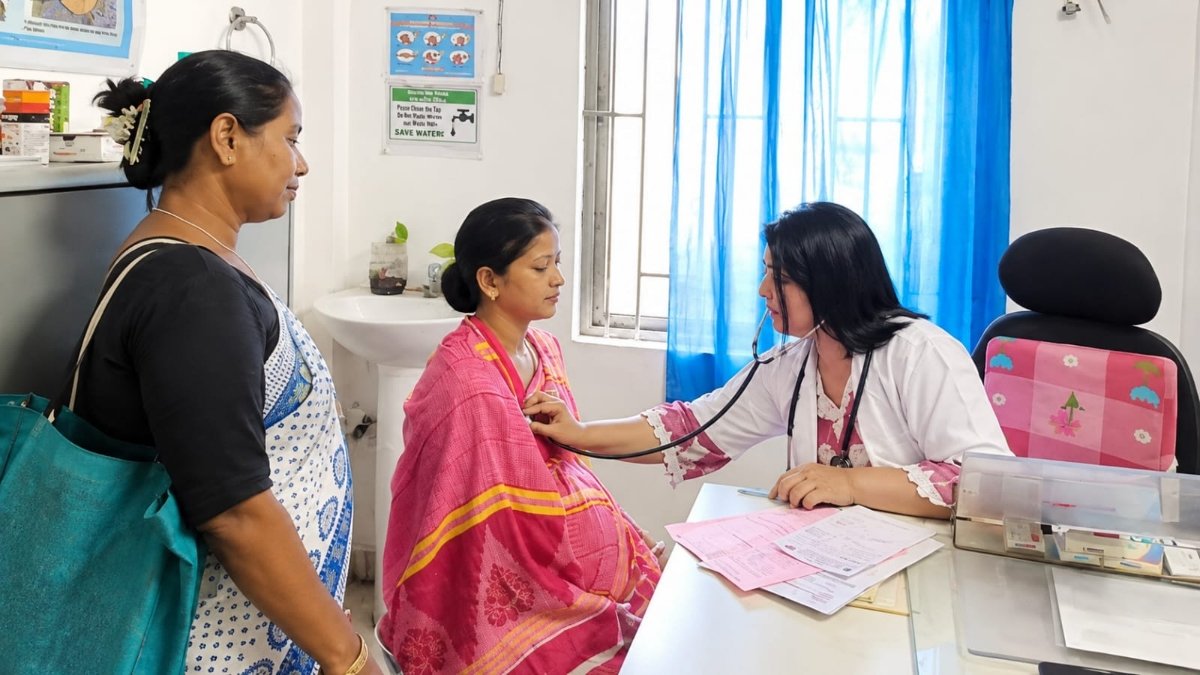
Over the last two decades, Assam and the wider Northeast have quietly rewritten their maternal-health story. Assam’s maternal mortality ratio, once among the highest in the country, has fallen sharply and, by the state’s own recent figures, has dropped below the national average for the first time. Behind that number lies a simple, often overlooked truth: most of the lives saved were saved early – long before labour began, in the antenatal clinic.
As an obstetrician working in Assam, I have come to think of early antenatal care (ANC) as the quiet backbone of safe motherhood. It is not dramatic; there are no emergencies in a routine check-up. But it is precisely in those unhurried visits that the problems which later threaten mothers are found and fixed.
What “Early” Really Means
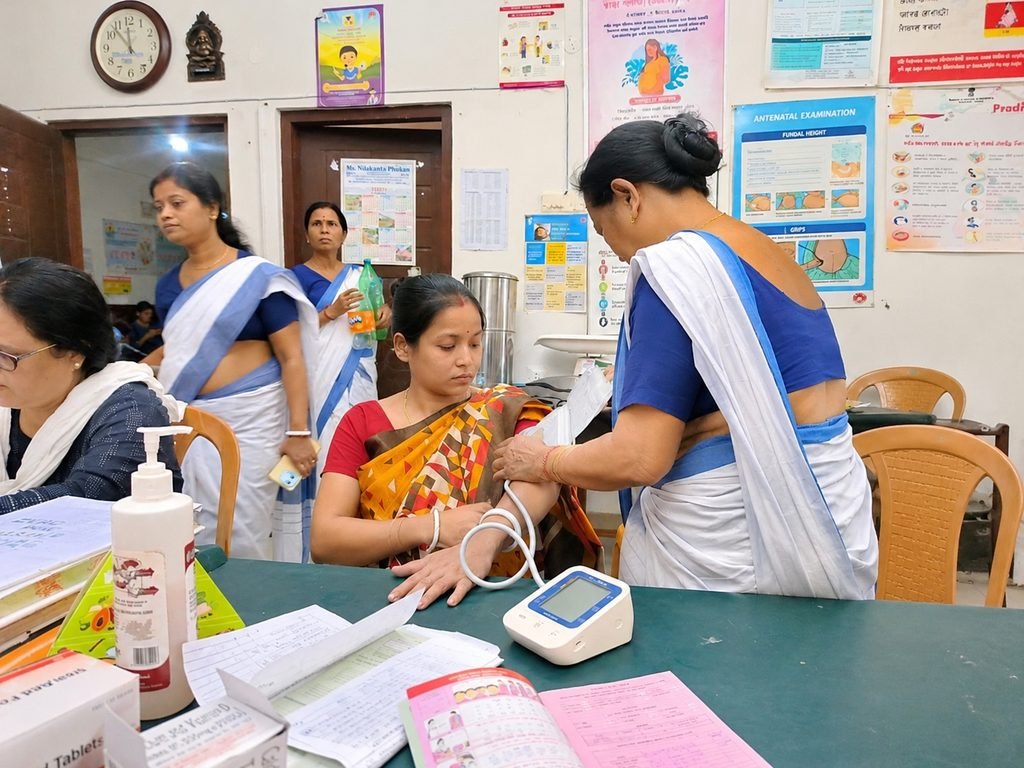
Antenatal care is most powerful when it begins in the first three months of pregnancy. In much of rural Northeast India, the first visit still comes too late – in the second trimester, or only when something feels wrong. By then, the window to prevent certain complications has already narrowed.
Registering a pregnancy early does three things. It establishes an accurate due date. It creates a baseline – blood pressure, weight, haemoglobin – against which later changes can be read. And it begins a relationship of trust, so that a woman knows where to go, and whom to call, if something changes.
The Silent Conditions ANC Catches
Three conditions cause a large share of maternal deaths, and all three are easier to manage when found early:
Anaemia. It is very common in Indian women, and in pregnancy it leaves little reserve for the blood loss of childbirth. A simple haemoglobin test and timely iron-folic acid supplementation can change the outcome.
High blood pressure and pre-eclampsia. Rising blood pressure in pregnancy often causes no symptoms until it is dangerous. The only way to catch it is to measure it, repeatedly, across the pregnancy.
Gestational diabetes and infections. Both are manageable when identified early, and both can harm mother and baby if missed.
None of these announce themselves. A woman can feel entirely well while one of them quietly builds. That is the whole argument for routine, repeated check-ups.
The Rural Reality
In the hills and river islands of the Northeast, the barriers are real: distance to a health centre, a day’s wage lost, few female staff, and the old belief that pregnancy is not an illness and needs no doctor. These are not failures of individual women; they are failures of access and awareness – and they are solvable.
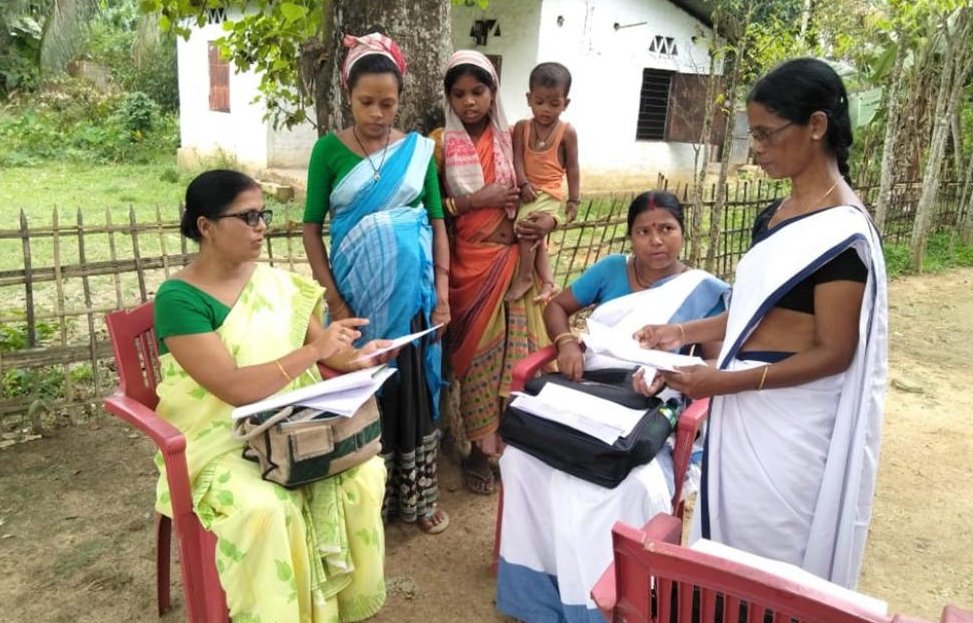
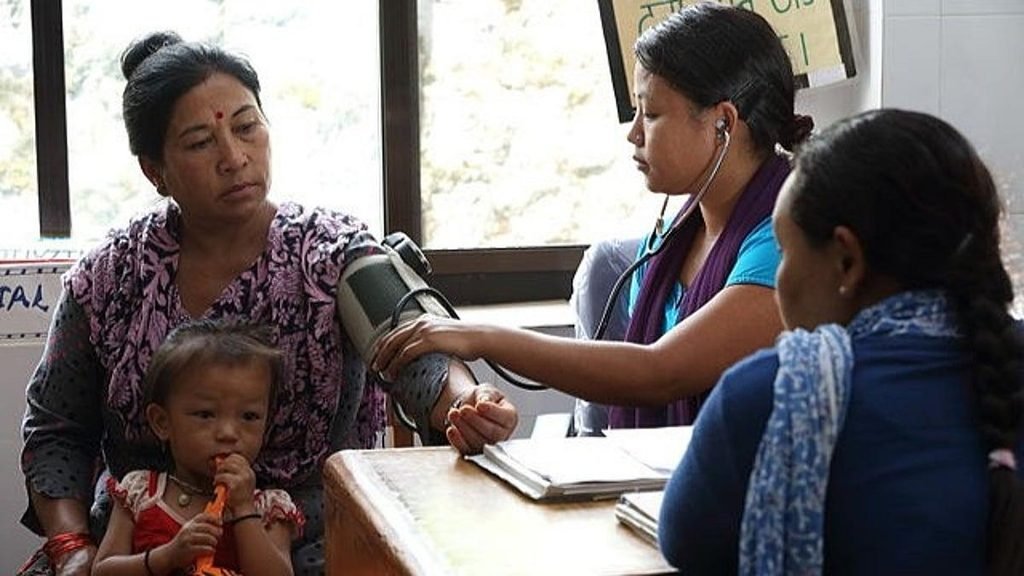
Much of the recent progress has come from the people who close that gap – the ASHA and ANM workers who walk to homes, track pregnancies, and bring women in for their visits. Where these workers are active, early registration rises, and better outcomes follow.
What Families Can Do
- Register the pregnancy as soon as it is known, at the nearest health centre or with your ASHA worker.
- Attend all the recommended antenatal visits, even when you feel well – that is exactly when the checks matter most.
- Take iron-folic acid and other supplements as advised, and complete the tetanus immunisation.
- Learn the danger signs – severe headache, blurred vision, swelling, bleeding, reduced fetal movement – and act on them immediately.
- Use the free government services available, including PMSMA (free antenatal care on fixed days each month) and institutional-delivery support.
A Number Is Only the Beginning
Assam’s falling maternal mortality is worth celebrating, but a statistic is not a finish line. It is the sum of thousands of early visits, blood tests and blood-pressure readings that never made the news. The next chapter – reaching the last villages, the river islands, the tea-garden lines – will be written the same quiet way.
For every mother in the Northeast, the single most protective decision is also the simplest: see a doctor or health worker early, and keep seeing them. That is where safe motherhood begins.
Disclosure: This article was researched and drafted with the assistance of AI tools and has been medically reviewed by Dr. Bhimi Daimari for accuracy.
Sources: World Health Organization antenatal care recommendations; India’s Pradhan Mantri Surakshit Matritva Abhiyan (PMSMA) and National Health Mission maternal-health guidance.
Dr. Bhimi Daimari, MBBS, MS
Dr. Bhimi Daimari is a practising obstetrician-gynaecologist based in Hojai, Assam. She holds MBBS and MS degrees in Obstetrics & Gynaecology and serves as Lead Medical Reviewer at Abortion in Riyadh. She also writes and reviews content on women's health, pregnancy care and maternal well-being.