
Guest Feature
Scientific temper is essential for every individual and every society that wishes to progress in a meaningful and responsible manner. Science is not merely a subject taught in schools and colleges or a field confined to laboratories and research institutions. It is a way of thinking, observing, questioning and understanding the world around us. Developing scientific temper means examining facts, seeking evidence, questioning outdated assumptions and making decisions through reason and knowledge. In today’s rapidly changing world, scientific thinking is not just desirable but absolutely necessary. The ability to recognise mistakes, accept corrections and learn from experience is one of the most important qualities of a progressive society. Human history has shown that rational thinking, education and humanistic movements have helped challenge several unjust practices, including male domination, colonial attitudes, discrimination and social inequalities. Scientific thinking encourages us to question such practices rather than accept them blindly and to work towards a more equal and humane society.
The two World Wars remind us that scientific and technological knowledge can be used both for human welfare and for destruction. Scientific inventions contributed to the development of powerful weapons, while diplomacy, international cooperation, political decisions and humanitarian efforts played important roles in ending the wars and rebuilding societies. This teaches us that scientific progress alone cannot guarantee a better world; it must be guided by human values, compassion and responsibility. Scientific thinking should also become an essential part of democratic life. Whether a political party or candidate wins or loses an election, the result must be evaluated objectively. Public opinion, development activities, promises, achievements and failures should be examined using facts and evidence rather than emotions and prejudices. Accepting victory responsibly and analysing defeat honestly are important democratic qualities. We must have the courage to identify mistakes, even when they are made by people or institutions we support. Such an objective approach can strengthen democracy and improve society.
Nature is the greatest foundation of human existence, and understanding it, even to a limited extent, is essential for making our lives beautiful, healthy and comfortable. Early human communities developed a close relationship with nature through observation and experience. They understood seasons, rainfall, plants, animals and the natural environment because their survival depended on that knowledge. Today, however, the situation is increasingly concerning. Modern human beings often attempt to exploit nature without considering its limits. Forests are destroyed, rivers are polluted, natural resources are overexploited and ecological balance is disturbed. Even when we proudly claim to have conquered nature, we must remember that environmental destruction has consequences for human life. Climate change, floods, droughts, rising temperatures and unpredictable rainfall are important warnings that demand scientific understanding. We must realise that nature is not something separate from humanity. Clean air, water, fertile soil, forests, oceans and biodiversity are essential for our survival. Only when we respect nature and understand its importance can we build a sustainable future. The existence and progress of humanity depend on the continued well-being of the natural world.

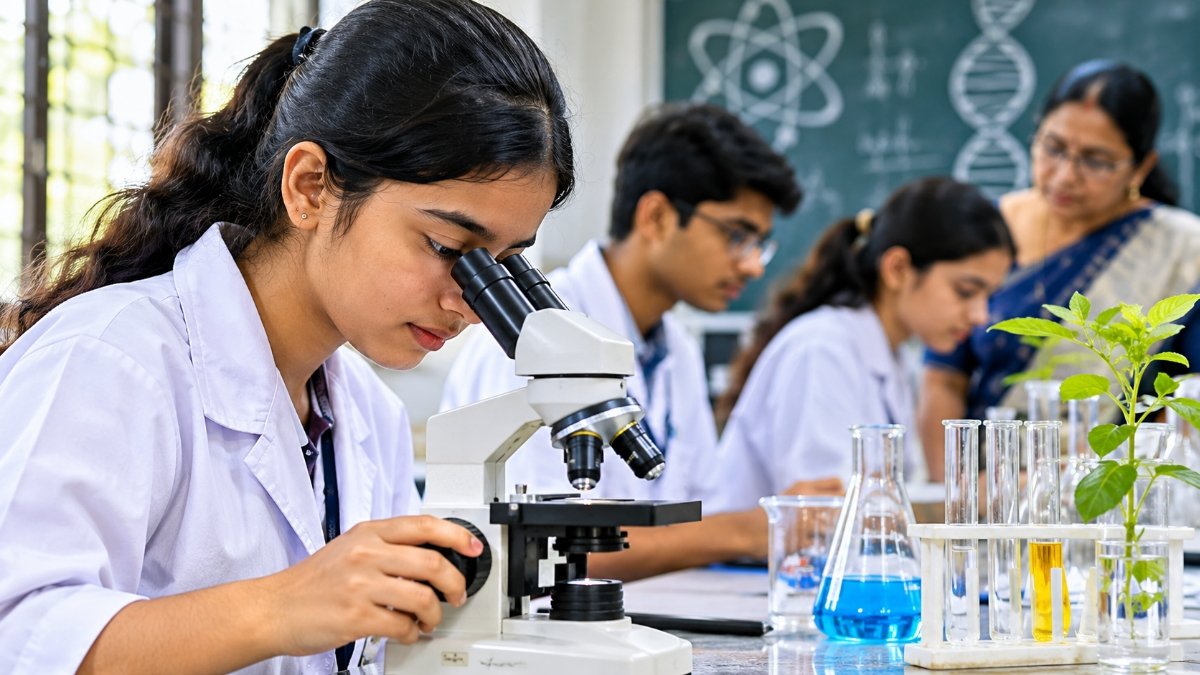
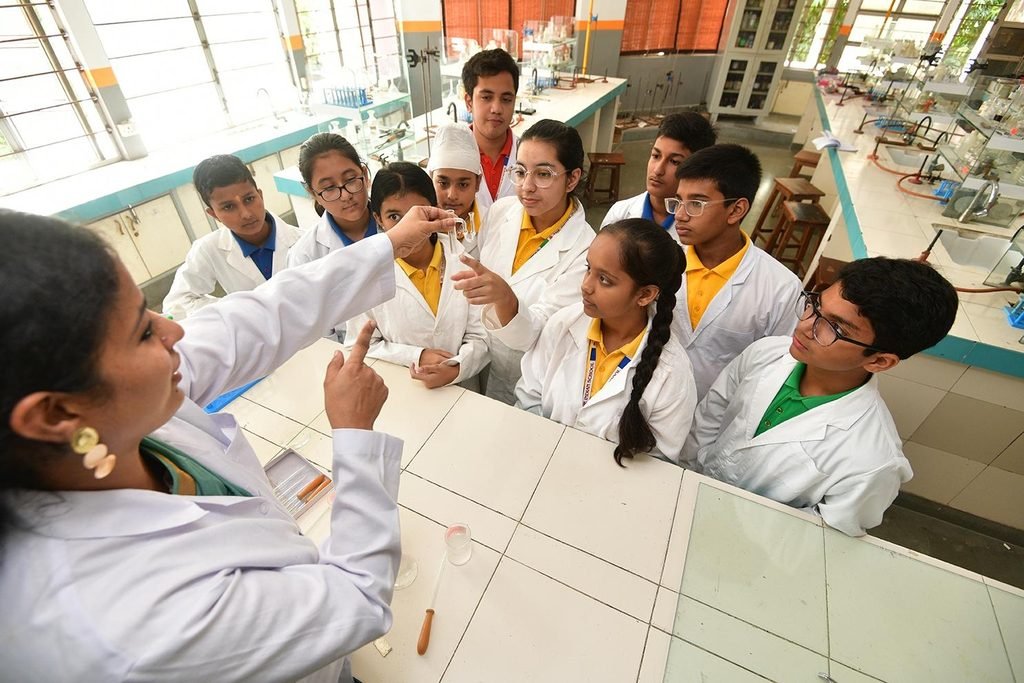
Educational institutions have a significant responsibility to develop scientific temper among younger generations. Education should not be limited to memorising textbooks and securing marks in examinations. Students must be encouraged to ask questions, conduct experiments, observe their surroundings and develop independent thinking. Teachers should create an environment where curiosity is welcomed and mistakes are treated as opportunities for learning. Scientific awareness is equally important in everyday health decisions, environmental protection and the use of modern technology. In an age of artificial intelligence, digital communication and social media, people must learn to distinguish reliable information from misinformation, rumours and unverified claims. Scientific temper does not mean rejecting every tradition or cultural practice. Rather, it means understanding, examining and preserving valuable traditions while remaining open to positive changes. Our languages, literature, customs and cultural heritage must be protected and passed on to future generations through awareness, research, documentation and responsible participation. Preserving our social life, language and culture requires not only emotional attachment but also informed and scientific thinking.

The Constitution of India recognises this responsibility through Article 51A(h), which identifies the development of scientific temper, humanism, and the spirit of inquiry and reform as a fundamental duty of every citizen. This duty is not restricted to scientists and researchers. It belongs to teachers, students, parents, administrators, professionals and every ordinary citizen. Scientific temper must influence our personal decisions, social relationships, democratic participation and attitude towards the environment. We must learn to question information, examine evidence, acknowledge our limitations and correct our mistakes. We should not be afraid of new ideas or different opinions. At the same time, scientific knowledge must always be accompanied by human values, tolerance and respect for others. A society that encourages rational thinking and humanitarian action will be better equipped to overcome prejudice, inequality and ignorance.
Ultimately, scientific temper is not about knowing everything; it is about developing the willingness to learn, question, understand and improve. We must move forward by thinking scientifically and acting with humanity. Our relationship with nature, our democratic responsibilities, our social values and our cultural heritage all require informed and responsible decisions. We should never consider progress as the unlimited exploitation of natural resources or the unquestioning acceptance of established practices. True progress comes through knowledge, reason, environmental responsibility and collective effort. If individuals and society develop the habit of scientific thinking and combine it with determination, honesty and compassion, success will certainly become more achievable. The future of humanity depends on our ability to learn from the past, understand the present and make wise decisions for coming generations. Scientific temper must therefore become not merely an educational objective but an essential way of life.

V. Rajesh Mohan Rao
V. Rajesh Mohan Rao is a Higher Secondary School Teacher and Writer based in Dharmadam, Thalassery, Kerala, India. He writes on science, education and inspiring personalities, sharing his perspectives as an educator and admirer of scientific achievements.