
Guest Feature
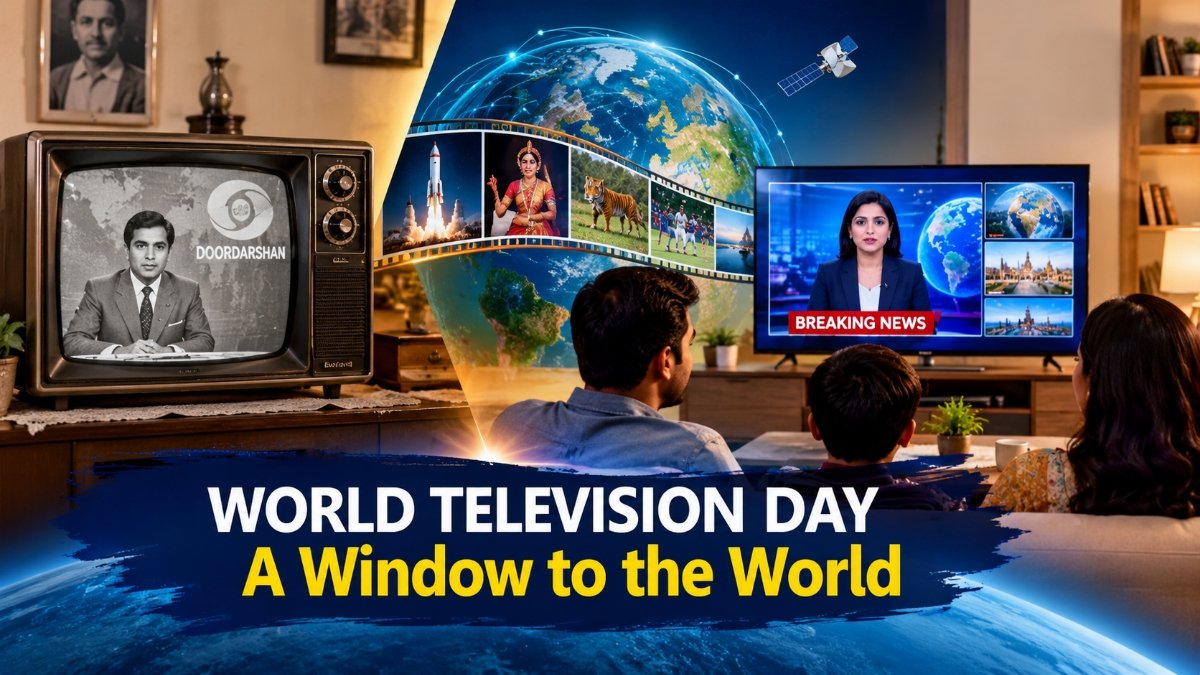
November 21 is observed every year as World Television Day. Television has played an extraordinary role in bringing information, knowledge and entertainment from different parts of the world into our homes. Several generations have grown up watching television from their childhood. It has helped us see, hear, understand and analyse numerous events and developments taking place around us. Even today, television remains an important medium of communication and a major source of information and entertainment for millions of people.
The history of television in India is closely associated with Doordarshan. India’s television journey began on September 15, 1959, when an experimental television service was inaugurated in Delhi. Initially, the service was limited to a small area. Regular daily broadcasting began on August 15, 1965, with a one-hour general service. Gradually, television services expanded to different cities and regions of the country. The introduction of colour television in 1982 was another significant milestone. The Asian Games held in New Delhi in November 1982 further popularised colour television among Indian viewers and marked an important chapter in the country’s broadcasting history.
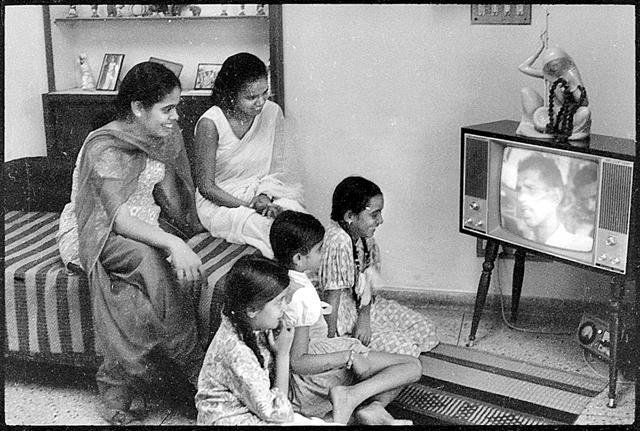
Many of us still fondly remember the days when Doordarshan was the primary television broadcaster in India. Watching news bulletins, films, songs, cultural programmes and special events with family members remains a beautiful memory for an entire generation. Programmes such as Ramayana, Mahabharat and Malgudi Days became memorable parts of Indian television history. Doordarshan introduced viewers to different parts of the country, its culture, traditions, music and important national developments. Those early television experiences continue to hold a special place in the hearts of people who grew up during that period.
Today, television offers an enormous variety of channels and programmes catering to different interests and age groups. Viewers can choose channels according to their preferences. Those interested in wildlife and nature can watch channels such as National Geographic and Animal Planet. There are also channels dedicated to science, history, education, sports, entertainment, classical music and devotional programmes. This diversity allows people to explore subjects of their interest and discover new areas of knowledge. Television is therefore not merely a source of entertainment but also a valuable medium for learning and personal development.
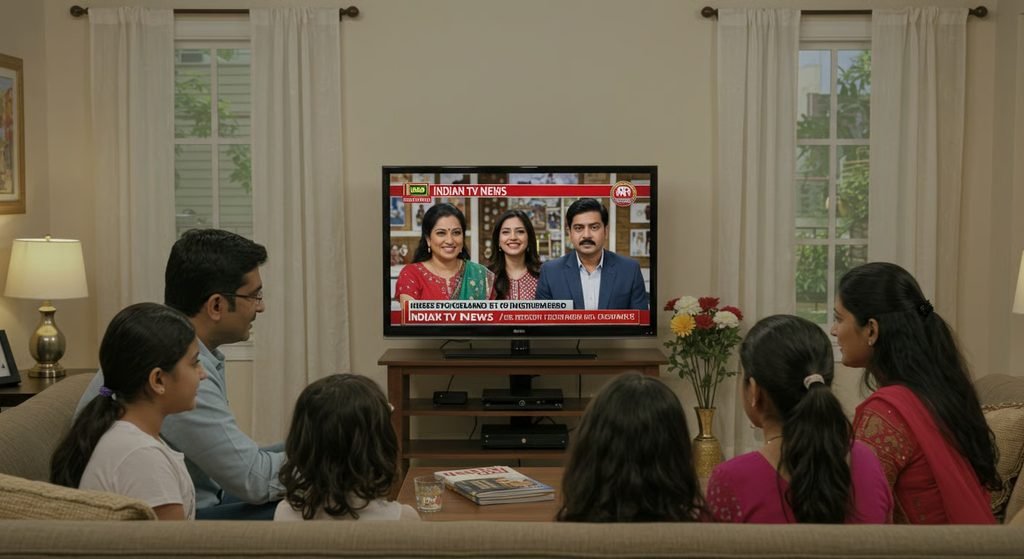
Television has made an outstanding contribution to news and public communication. International, national and regional news channels help people remain informed about developments taking place across the world and in their own communities. Live news coverage enables viewers to follow important events as they happen. Discussions, interviews and analytical programmes provide opportunities to understand social, economic, political and environmental issues from different perspectives. Responsible journalism through television can encourage public awareness, informed discussion and a better understanding of society.
Education and public awareness are other important contributions of television. Documentaries, science programmes, agricultural broadcasts, educational classes and interviews with experts help people acquire knowledge in different fields. Students can learn about scientific discoveries, historical events, technology, wildlife and developments taking place around the world. Television also helps create awareness about health, environmental protection, agriculture and social responsibilities. Such programmes make knowledge accessible to people from different backgrounds and age groups.
Entertainment is another major attraction of television. Films, serials, music programmes, comedy shows, sports broadcasts and cultural events provide viewers with a wide range of choices. People can enjoy their favourite films and programmes from the comfort of their homes. Classical music lovers, sports enthusiasts and those interested in spiritual and devotional programmes can also find content suited to their preferences. The availability of numerous channels has made television a medium that caters to almost every interest. This freedom of choice is one of the major advantages of modern television.
Television has undergone remarkable technological changes over the decades. From the early black-and-white television sets to colour broadcasting, satellite television, cable networks, digital broadcasting and smart televisions, the viewing experience has continuously evolved. Today, internet-based content and streaming services have further expanded the possibilities of television. Although digital media and online platforms have changed viewing habits, television continues to maintain its relevance, particularly in news broadcasting, live events, education and public communication. At the same time, viewers should develop the habit of choosing reliable information and meaningful programmes.

On World Television Day, we should recognise the valuable contribution of television to society. The United Nations General Assembly proclaimed November 21 as World Television Day in 1996, recognising television’s growing influence on public opinion, communication and global understanding. Television is much more than an electronic device or an entertainment medium. It is a powerful window through which we observe the world, understand different cultures and connect with people and events beyond our immediate surroundings. Responsible broadcasting, trustworthy journalism and informed viewing can make television even more beneficial to society. Truly, television is a great blessing that has brought the world closer to our homes.
Also Read: Digital News Portals and the Changing Habit of Newspaper Reading

V. Rajesh Mohan Rao
V. Rajesh Mohan Rao is a Higher Secondary School Teacher and Writer based in Dharmadam, Thalassery, Kerala, India. He writes on science, education and inspiring personalities, sharing his perspectives as an educator and admirer of scientific achievements.