
Guest Feature
Science is not just a subject to be studied in textbooks or facts to be memorised for examinations. It is a way of understanding the world around us. Students learn science better when they get opportunities to observe, experiment, question and discover things on their own. Science fairs provide an excellent platform for this kind of learning.
As a teacher, I believe that teachers have an important role in developing students’ interest in science fairs. They should explain the importance of these activities, encourage children to think creatively and motivate them to participate. When an interest in science develops at a young age, it can grow into valuable knowledge, new ideas and achievements in later life. Science fairs can play an important role in shaping the thinking and interests of young children.
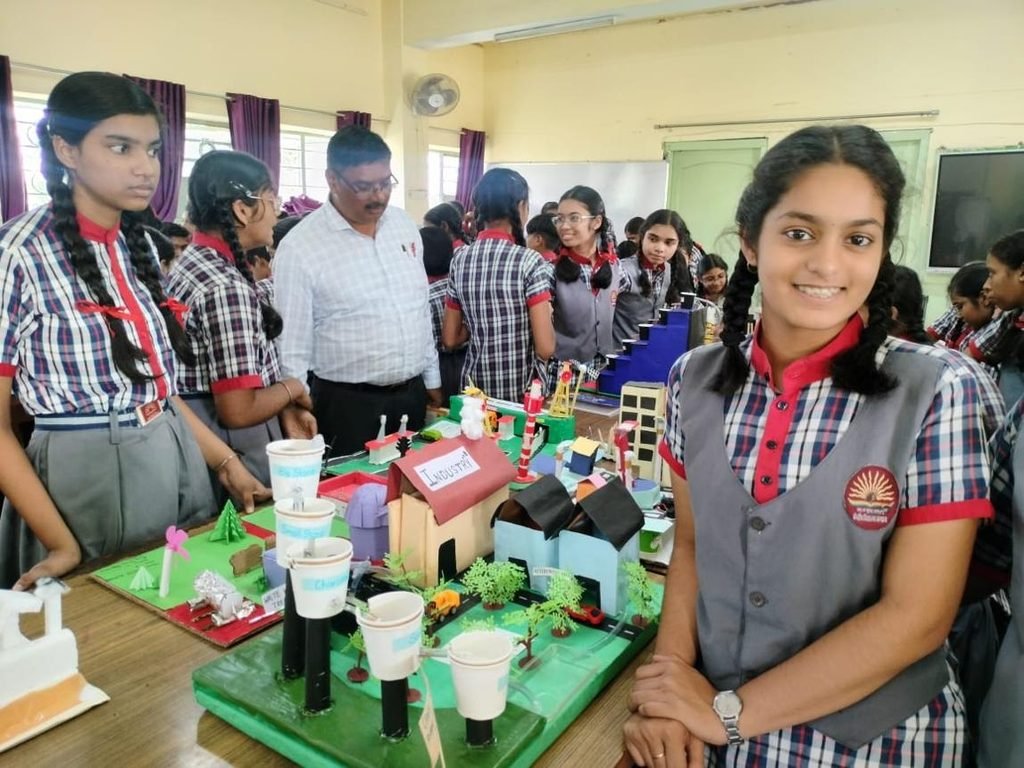
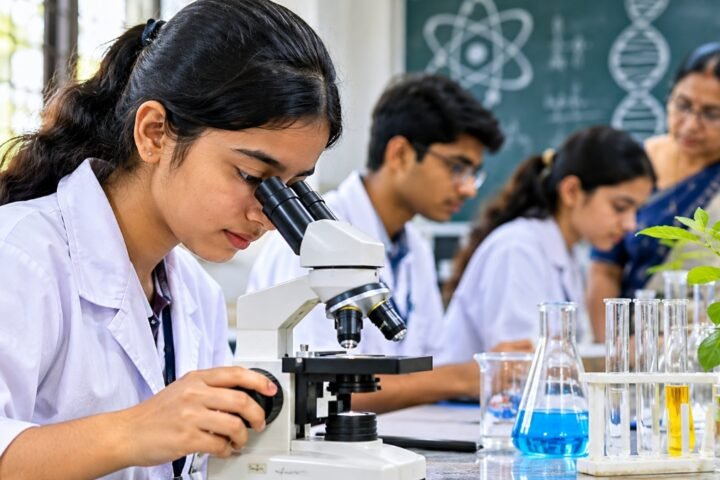
Science fairs also provide opportunities for students to observe things carefully, conduct experiments and understand how different scientific principles work. These experiences encourage them to ask questions, find answers and develop their own ideas. Good observation and practical experimentation at an early age can help children develop a scientific attitude that will benefit them throughout their lives.
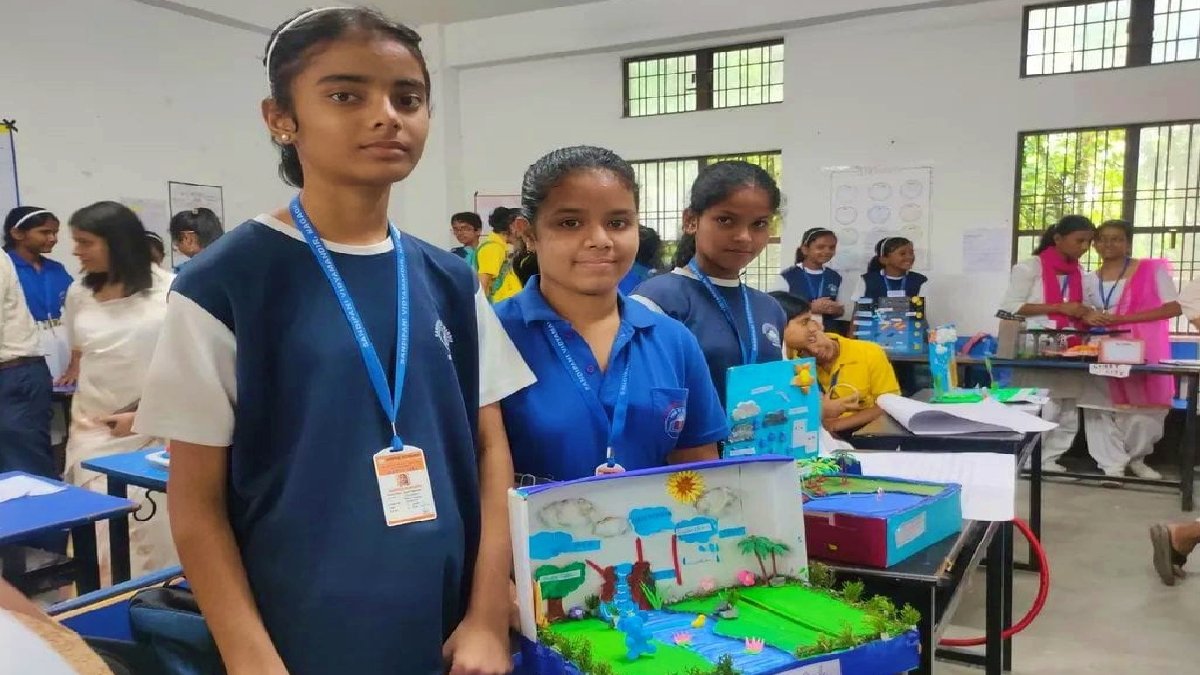
I have observed the enthusiasm of students when they prepare models, demonstrate experiments and explain scientific ideas. Many students who hesitate to speak in an ordinary classroom become confident when presenting something they have created themselves. They understand concepts more easily when they can see, experiment and explain them in their own words.
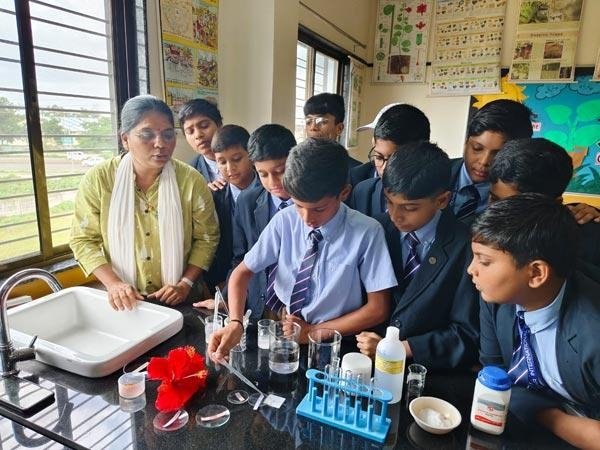
Science fairs encourage students to become active learners. They learn to identify problems, think about solutions, collect information and present their ideas. Projects related to water conservation, renewable energy, agriculture, waste management and environmental protection help students connect classroom knowledge with everyday life. Such activities also develop creativity, teamwork, communication and problem-solving skills.
Every school should make sincere efforts to encourage maximum student participation in science fairs. Participation should not be limited to a few academically talented students. Teachers should identify the interests of different children and give them opportunities to develop and present their ideas. Even students who initially show little interest can become enthusiastic when they receive proper guidance and encouragement.
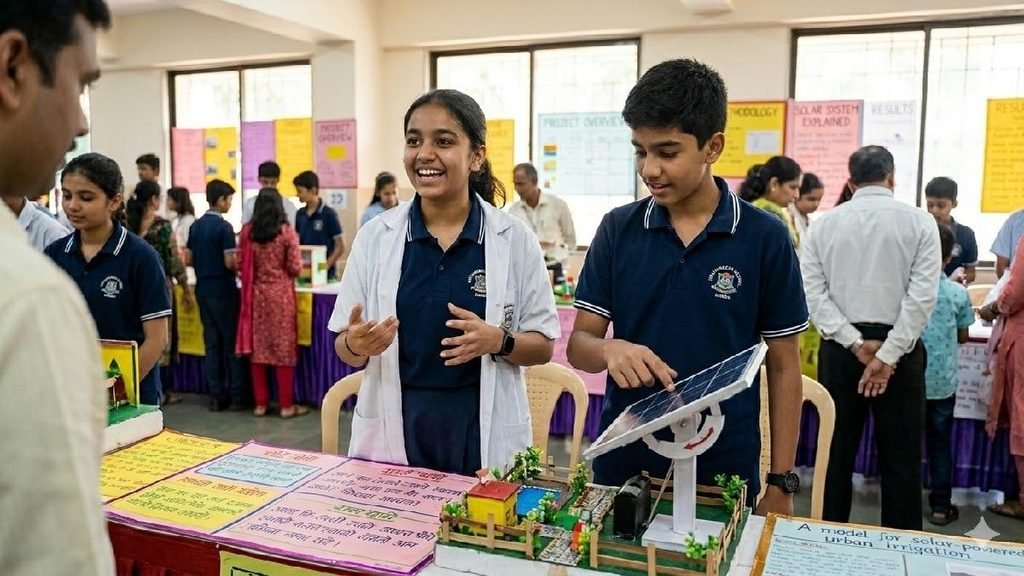
The real value of a science fair is not simply in displaying attractive models or winning prizes. It is in the learning process. Students develop curiosity, learn from mistakes and gain confidence through their efforts. Even a simple project prepared with genuine interest can provide valuable learning experiences. Students should be appreciated for their ideas, originality, understanding and hard work rather than only for the appearance or cost of their models.
Science is connected with almost every aspect of our daily lives, including health, agriculture, transport, communication and environmental protection. Science fairs help children understand these connections and may also inspire them to choose careers in science, technology and research.
My experience as a teacher has strengthened my belief that students have tremendous potential when they are given the right opportunities. Teachers, parents and schools should work together to create greater interest in science fairs and ensure that more children get the opportunity to participate. If we nurture scientific curiosity in children from an early age, their small ideas and experiments today may become important achievements tomorrow. When children are encouraged to learn by observing and doing, science moves beyond textbooks and becomes a living experience. This is how we can develop curious minds, confident learners and future innovators.
About the Author
V. Rajesh Mohan Rao recently secured Eighth Rank in the Kerala State School Science Fair in the Teaching Aids Competition for Higher Secondary School Teachers, held at Palakkad, Kerala. He has also presented topics on emerging modes of business, GST, financial statements of companies and other commercial matters.

V. Rajesh Mohan Rao
V. Rajesh Mohan Rao is a Higher Secondary School Teacher and Writer based in Dharmadam, Thalassery, Kerala, India. He writes on science, education and inspiring personalities, sharing his perspectives as an educator and admirer of scientific achievements.