JICA Chair Invites Bodoland University Professor Hemen Sarma to Zambia
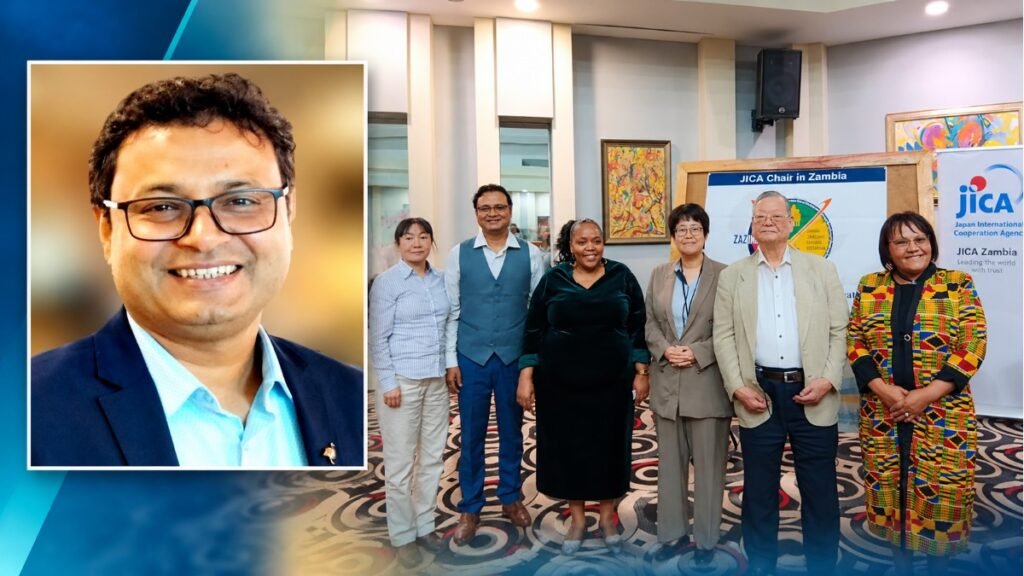
KOKRAJHAR, Assam: Professor Hemen Sarma, Head of the Department of Botany at Bodoland University, Kokrajhar, participated in the 2026 ZAZINAMBO Project International Toxicology Symposium, held on October 7–8, 2026, in Lusaka, Zambia.
The symposium was held in conjunction with the JICA Chair and the JSPS International Symposium on the Impact of Chemical and Biological Hazards on the Environment, Animals and Human Health and Their Countermeasures.
The symposium featured contributions from distinguished researchers and academic leaders, including Professor Shouta M. M. Nakayama of Hokkaido University, Japan, Chief Adviser of the ZAZINAMBO Project; Professor John Yabe of the University of Namibia and the University of Zambia; and Professor Mayumi Ishizuka of Hokkaido University. The programme also included a special lecture under the JICA Chair by Professor Yoshitaka Hosoi, an adviser to JICA on the mining sector, on the relationship between mineral development and environmental protection.
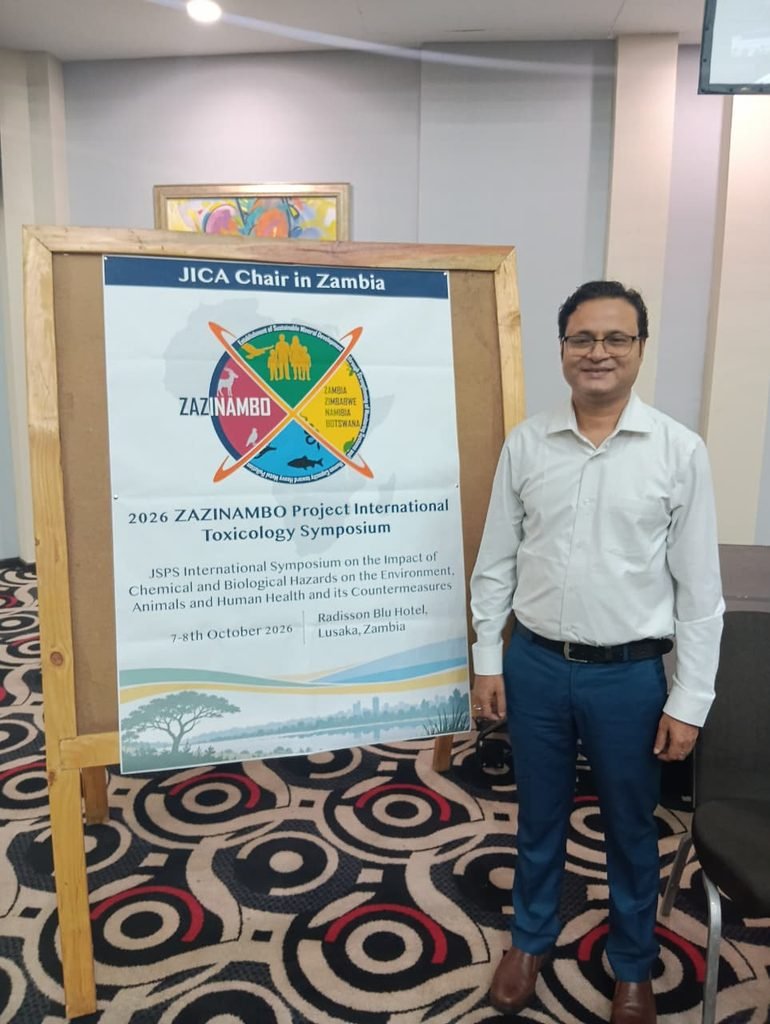
Professor Sarma delivered an oral presentation titled “Potentially Toxic Metals in Agricultural and Livestock Systems: Transfer, Exposure, and Phytoremediation.” His presentation examined how potentially toxic metals can move from contaminated soil and water into agricultural crops and livestock, potentially reaching humans through the food chain. He also discussed phytoremediation and the potential role of biochar-based soil amendments in managing metal-contaminated environments.
The ZAZINAMBO Project, funded by the Japan International Cooperation Agency (JICA), focuses on strengthening environmental monitoring systems and human-resource capacity to address heavy-metal pollution associated with mining and related activities. The initiative involves Zambia, Zimbabwe, Namibia and Botswana, with Hokkaido University, Japan, and partner institutions contributing to international research and capacity building.
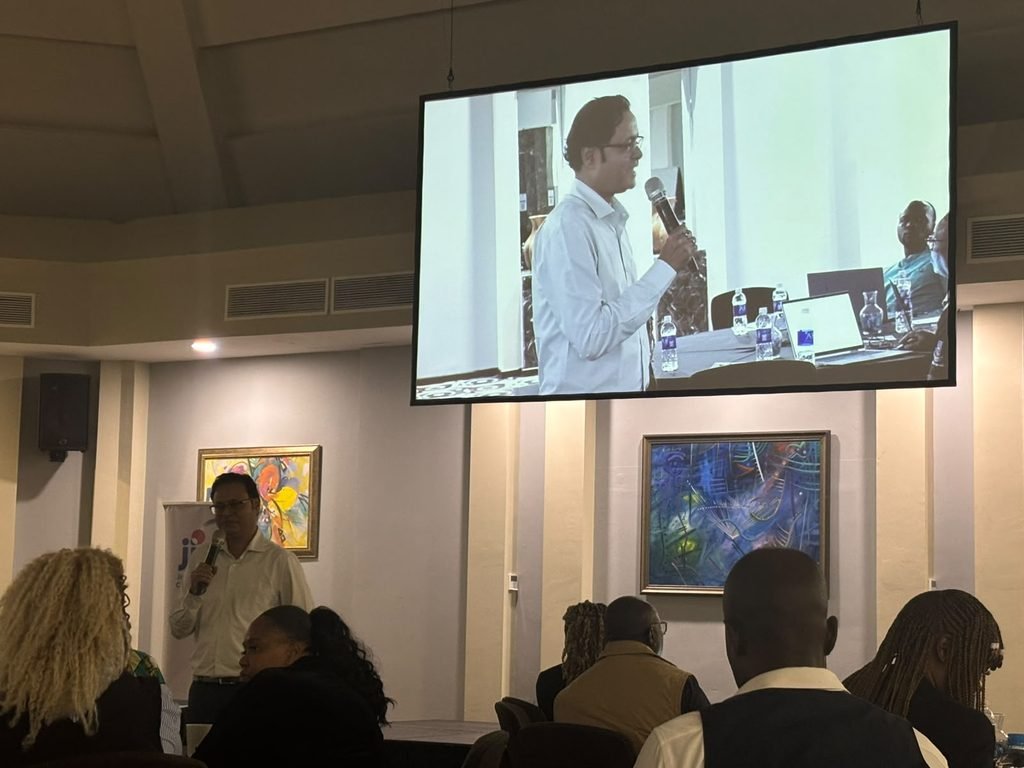
Professor Sarma’s presentation highlighted the importance of the One Health approach, which recognises the links between environmental quality, animal health and human well-being. Drawing on published studies from India and evidence from mining-affected regions, he discussed metal transfer through soil–plant–animal pathways, potential dietary exposure risks and the need for effective monitoring and sustainable remediation strategies.
He emphasised that phytoremediation—the use of plants to remove, immobilise or stabilise contaminants—could contribute to the management of polluted agricultural soils. Combining suitable plants with biochar-based amendments may offer additional benefits by influencing metal mobility and improving soil properties.
The international symposium provided a platform for scientific exchange on toxicology, environmental pollution, sustainable mineral development and the health impacts of chemical and biological hazards. Professor Sarma’s participation brought Indian research perspectives to this international forum and highlighted Bodoland University’s engagement in global scientific discussions on environmental sustainability and pollution management.