

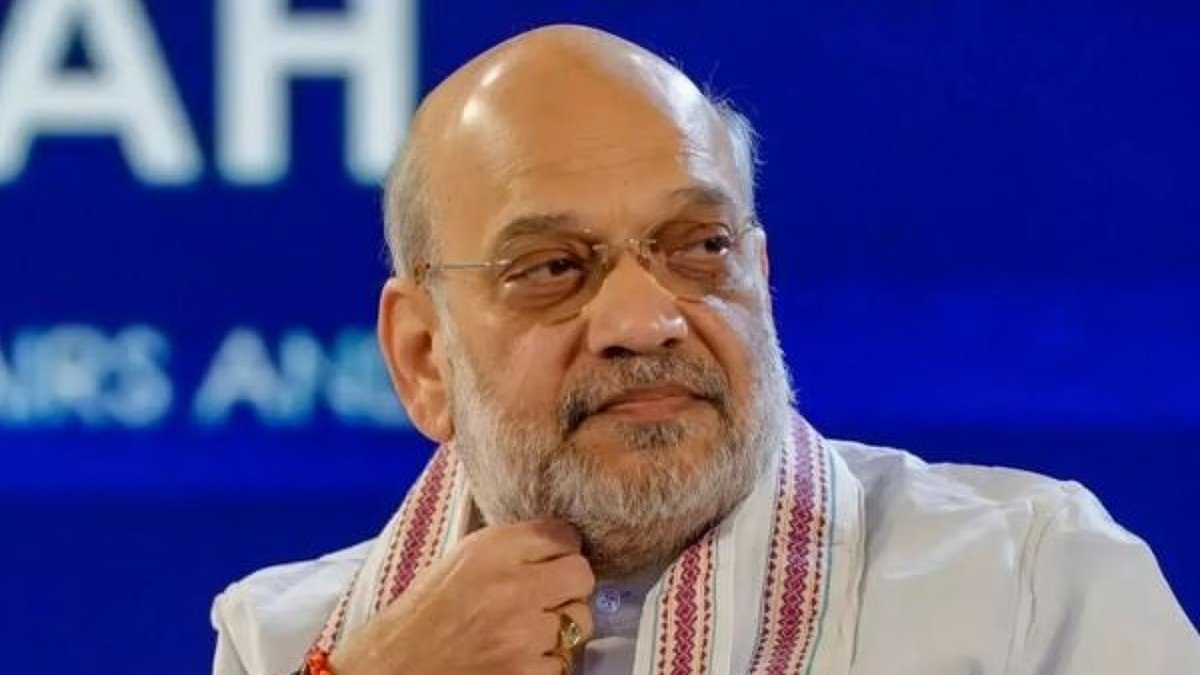
Guwahati, October 25: Eighteen people have been arrested following coordinated anti-narcotics operations at 38 locations across Assam, Mizoram and Manipur under Operation Trident, Union Home Minister Amit Shah announced on Sunday.
The operation, conducted on October 23 by central agencies and the police forces of the three northeastern states, targeted an international narcotics trafficking network allegedly operating across India, Myanmar and Bangladesh.
According to Shah, the crackdown exposed hawala transactions worth Rupees 100 crore, led to the freezing of 1,424 bank accounts and resulted in the attachment of properties valued at Rupees 17.82 crore. Security agencies also seized 500 detonators and Rupees 12 lakh in cash.
The Home Minister congratulated the central agencies and police personnel involved in the operation, describing the action as a significant step in the campaign against international drug trafficking networks.
Operation Trident Targets 38 Locations
The coordinated crackdown covered 38 locations across Assam, Mizoram and Manipur. The operation brought together central enforcement agencies and the police forces of the three states to target the suspected trafficking network and investigate its financial links.
In his public statement, Shah said the operation had dealt a major blow to an international narcotics cartel. The 18 arrests and the action against suspected financial channels form part of the investigation into the network’s activities.
The authorities have not publicly disclosed the identities of all those arrested or provided a complete account of their alleged roles in the network. Further details will depend on the progress of the investigation and subsequent disclosures by the relevant agencies.
Rupees 100 Crore Hawala Transactions Exposed
One of the key findings announced by the Home Minister was the identification of hawala transactions worth Rupees 100 crore.
Hawala is an informal system of transferring money through intermediaries, often outside conventional banking channels. Investigators examining suspected criminal networks may trace such transactions to identify the movement of funds and potential links between individuals and organisations.
During Operation Trident, 1,424 bank accounts were frozen, while properties valued at ₹17.82 crore were attached, according to Shah. Authorities also recovered Rupees 12 lakh in cash.
These financial measures indicate that the operation focused not only on the alleged trafficking network but also on its suspected financial infrastructure. However, the precise relationship between individual accounts, attached properties and the alleged narcotics trade has not been detailed in the public announcement.
Detonators and Cash Seized During the Crackdown
The operation also resulted in the seizure of 500 detonators and Rupees12 lakh in cash, according to the Home Minister.
The public statement did not specify the intended use of the detonators or establish a direct connection between them and any particular trafficking activity. Their significance, if any, will need to be established through the investigation.
Similarly, officials have not provided a detailed breakdown of the types or quantities of narcotic substances seized during the operation in the announcement cited here. No specific drug seizure figures have therefore been included in this report.
Suspected Cross-Border Network Linked to India, Myanmar and Bangladesh
Shah said the suspected trafficking network moved narcotics across the borders of India, Myanmar and Bangladesh through what he called the “Death Triangle Corridor”.
Northeast India’s location along international borders makes cross-border coordination an important element of efforts to combat narcotics trafficking. Investigations into such networks can involve tracing supply routes, identifying local facilitators, examining financial transactions and coordinating enforcement action across jurisdictions.
The coordinated raids across three northeastern states demonstrate the scale of the latest enforcement effort. The full extent of the alleged network, including its members, routes and financial connections, will depend on further investigation.
Centre Sets December 31, 2029, Target Against Drug Networks
The Home Minister reiterated the government’s objective of eliminating drug trafficking networks by December 31, 2029.
Shah said the operation reflected the government’s determination to continue action against drug cartels and congratulated the anti-narcotics teams from the central agencies and the police forces of Assam, Mizoram and Manipur.
The government’s broader anti-drug campaign involves enforcement action against trafficking networks as well as efforts to identify and disrupt the financial channels that support organised criminal activity.
Why the Operation Matters for Northeast India
The crackdown highlights the importance of coordinated law-enforcement efforts in addressing suspected cross-border narcotics trafficking in Northeast India.
Arrests alone may not dismantle an organised network unless investigators can also establish its structure, trace the flow of money and identify other people involved. Freezing bank accounts, attaching assets and examining suspected financial transactions can help investigators pursue these wider connections.
Operation Trident has resulted in 18 arrests, action against 1,424 bank accounts and the attachment of properties worth Rupees 17.82 crore, according to the Home Minister’s announcement. These figures mark the scale of the action reported so far, while further information about the investigation is awaited.