
Itanagar, November 1, 2026: Opposition to the proposed Siang Upper Multipurpose Project (SUMP) in Arunachal Pradesh has intensified, with the SUMP Affected Area Youth Association (SAAYA) calling for a shutdown across three districts on November 2, 2026, in protest against the arrest of people associated with the anti-dam movement.
The proposed Arunachal shutdown will cover Siang, Upper Siang and East Siang districts. The organisation has also appealed to the Bogum Bokang Welfare Society (BBWS), which represents the Bogum Bokang-Tuting area, to extend its support to the protest.
In a letter addressed to the BBWS president, SAAYA said an emergency executive meeting was held on October 29, with representatives from villages affected by the proposed project. The meeting unanimously decided to organise the shutdown in coordination with the Siang Indigenous Farmer Forum (SIFF), other community-based organisations, youth groups and residents of the affected areas.
The organisation said the decision was taken in response to the arrest of people involved in the movement opposing the proposed hydropower project, particularly the alleged forced surveys and deployment of Central Armed Police Forces (CAPF) personnel in the project-affected areas.
SAAYA described the arrests as an attempt to suppress the voices of indigenous communities and urged BBWS to support the agitation. It also appealed for the protest to remain peaceful and democratic.
SAAYA Raises Concerns Over Indigenous Rights and Ancestral Land
The youth organisation has maintained that its movement is aimed at protecting ancestral land, the Siang River and the interests of future generations.
According to SAAYA, the proposed project is not merely an infrastructure or electricity-generation issue but is also closely connected to the identity, culture and traditional way of life of the indigenous Adi community.
The organisation has expressed concern that large-scale infrastructure development in the region could affect traditional settlements, agricultural land, forests and the livelihood systems of local communities.
The proposed shutdown is expected to bring together residents and community organisations from the three districts to demonstrate their opposition to the project and demand action on the issues raised by affected people.
What Is the Siang Upper Multipurpose Project?
The Siang Upper Multipurpose Project is a proposed 11,200-megawatt hydropower and multipurpose development planned on the Siang River in Arunachal Pradesh.
The project is envisioned as one of India’s largest hydropower initiatives and is expected to play a significant role in the country’s long-term energy and water management plans.
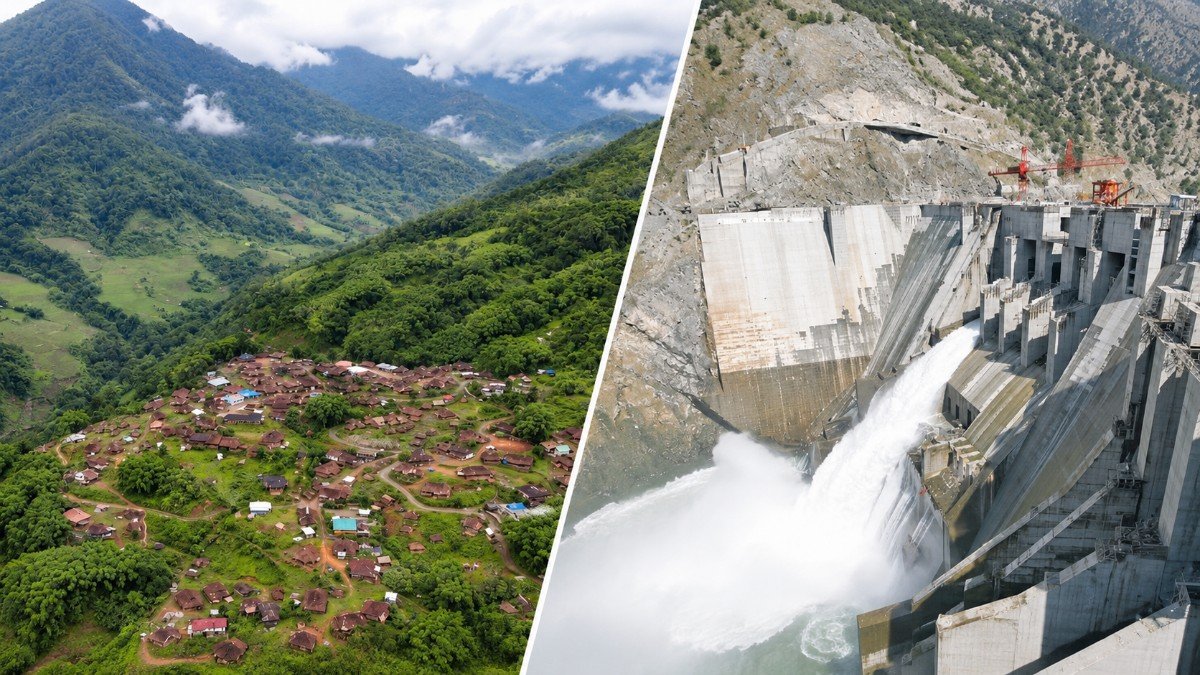
However, the proposal has faced strong opposition from sections of the indigenous Adi community, particularly residents who fear the possible submergence of villages, displacement of families and loss of ancestral land.
Concerns have also been raised over the potential impact on agricultural activities, forests, biodiversity and traditional livelihoods.
Community representatives have expressed fears that 27 villages could face complete submergence, while several dozen other villages may experience varying degrees of impact. These figures reflect concerns raised in connection with the project and should not be treated as a final government-approved assessment of affected settlements.
China’s Hydropower Project Adds Strategic Importance
The proposed Siang project has acquired additional strategic importance because of China’s plans to construct a massive hydropower facility on the Yarlung Tsangpo River in Tibet.
The river enters India through Arunachal Pradesh, where it is known as the Siang, before flowing downstream and eventually becoming part of the Brahmaputra river system.
India has strategic and water-security concerns regarding major infrastructure developments on the upstream stretch of the river in Chinese territory.
Against this backdrop, the proposed Siang Upper Multipurpose Project is also being viewed as an important strategic initiative by the Centre.
However, local communities have maintained that national security and energy requirements should not override the concerns, rights and interests of people living in the project-affected areas.
Opposition Intensifies Over Surveys and Security Deployment
Tensions in the Siang Valley have increased over the past few months as opposition groups raised objections to preliminary feasibility-related survey activities for the proposed project.
Protesters have alleged that survey activities were being carried out without adequate consent from affected communities. They have also objected to the deployment of security personnel to facilitate the exercise.
The situation deteriorated further following clashes and incidents of violence during demonstrations. Vehicles and public property were reportedly damaged during the unrest, prompting the administration to initiate arrests and preventive action.
On October 11, the Upper Siang district administration imposed prohibitory restrictions on public gatherings amid growing tensions in the region.
Security deployment was subsequently strengthened to maintain law and order.
Several organisations associated with the movement have demanded the release of detained activists, withdrawal of security personnel from the affected areas and suspension of survey-related activities until the concerns of local communities are addressed.
Government Says Preliminary Assessment Does Not Mean Final Dam Approval
The state government has maintained that the ongoing exercise is a preliminary feasibility assessment intended to examine the viability of the proposed project. It has clarified that the exercise does not amount to a final decision to construct the dam.
The distinction is significant because the proposed project would require further technical assessments, environmental scrutiny and statutory clearances before any construction decision could be implemented.
In a written reply to a question in Parliament on March 27, 2025, the Union Ministry of Power listed the Upper Siang Multipurpose Project with a proposed capacity of 11,200 MW among hydropower projects planned in the Northeast.
Separately, the Union Ministry of Environment, Forest and Climate Change has explained in a parliamentary reply that hydropower projects seeking environmental clearance must undergo an assessment process covering environmental and social impacts, including submergence, affected populations, rehabilitation and resettlement.
The clearance process also involves the preparation and appraisal of Environmental Impact Assessment (EIA) reports and Environmental Management Plans (EMP), along with compliance with applicable safeguards.
Shutdown Call Adds to Growing Opposition
SAAYA’s November 2 shutdown call comes at a time when opposition to the proposed Siang Upper Multipurpose Project is becoming increasingly organised across the affected districts.
By seeking the participation of the Bogum Bokang Welfare Society and other community-based organisations, the youth body is attempting to expand the movement beyond individual protest groups and bring together a wider section of the indigenous population.
The central issue remains the balance between the proposed project’s strategic and energy objectives and the concerns of communities whose ancestral lands, settlements and traditional livelihoods could be affected.
As the November 2 shutdown approaches, attention will be on the response of local residents, the administration’s security arrangements and whether the growing disagreement over the project can be addressed through dialogue with the affected communities.